have to be hard
physics easy for students and teachers
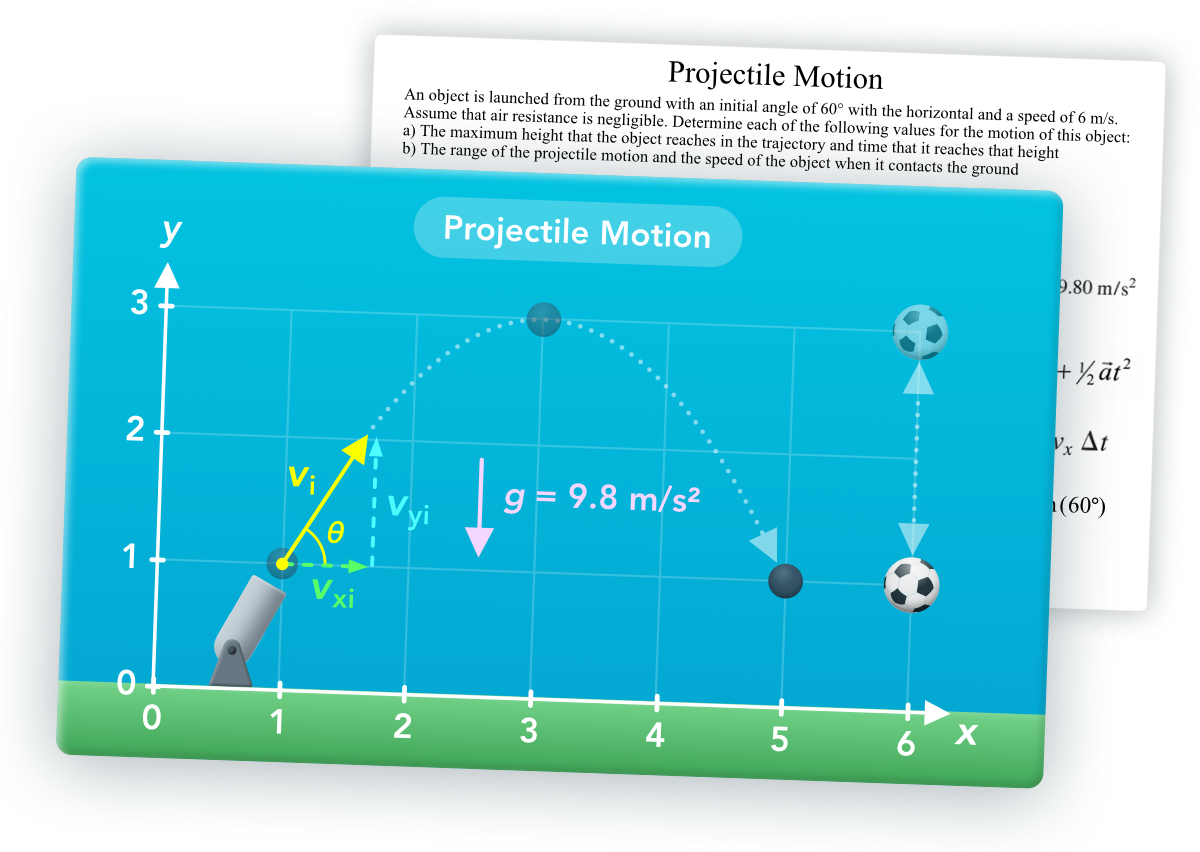
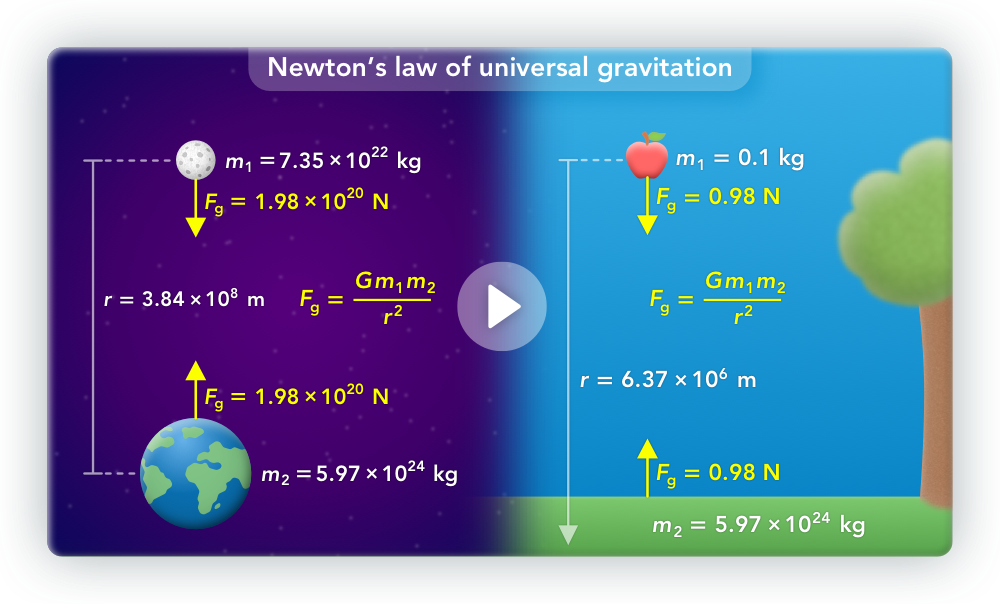
Videos and slides that explain concepts and equations in a way that's easy to understand.

Quickly review the important concepts, equations and diagrams for each topic.
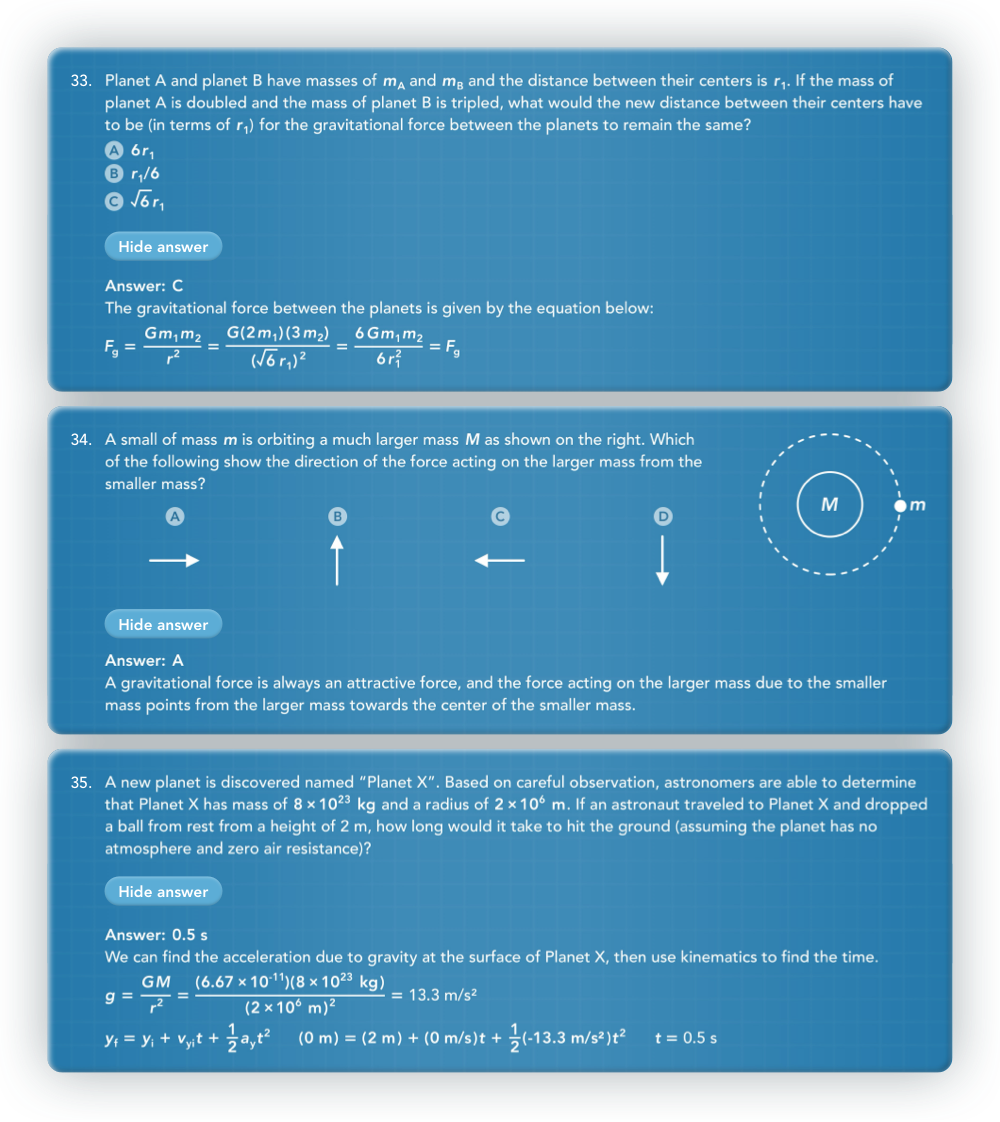
Practice solving a variety of problems to test and reinforce your understanding of each topic.
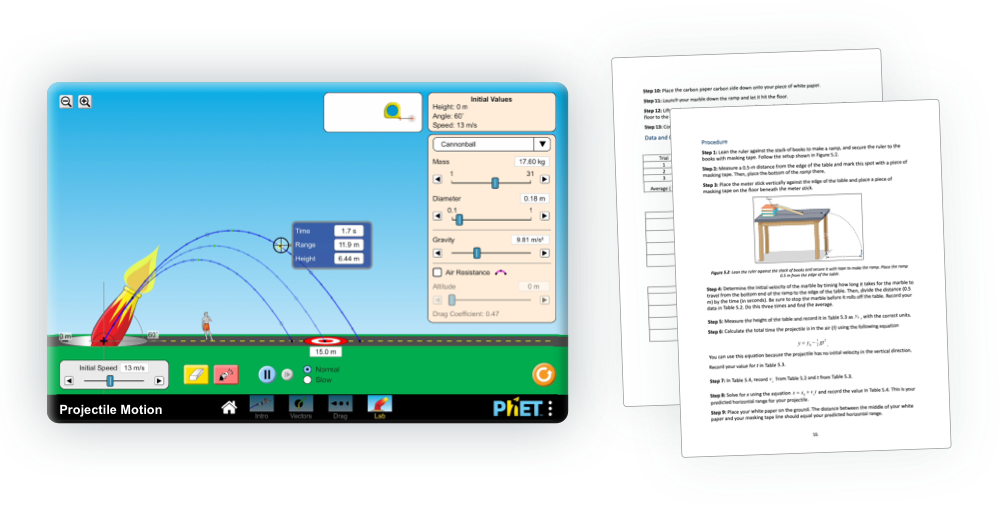
Explore physics with virtual simulations, easy labs to do at home and labs for the classroom.
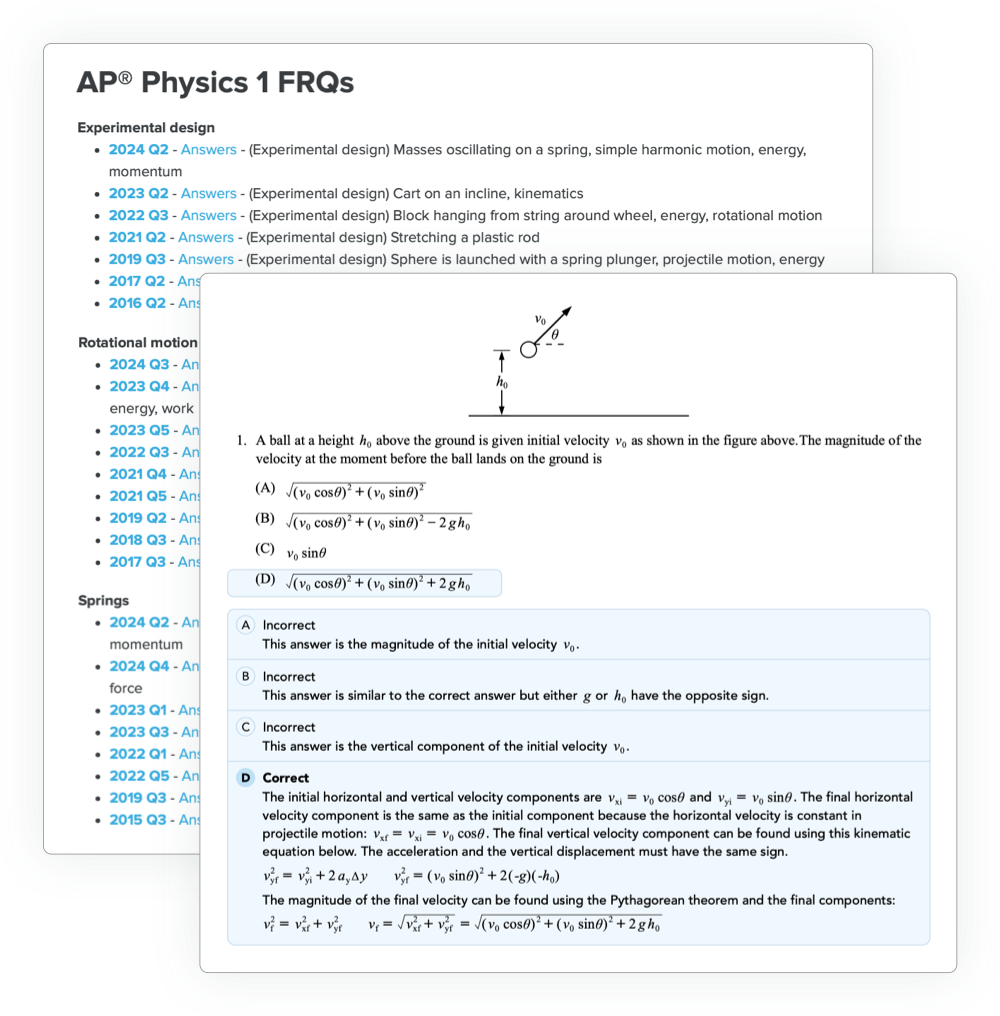
Practice solving AP®-style multiple-choice and free-response questions for the AP® exam.
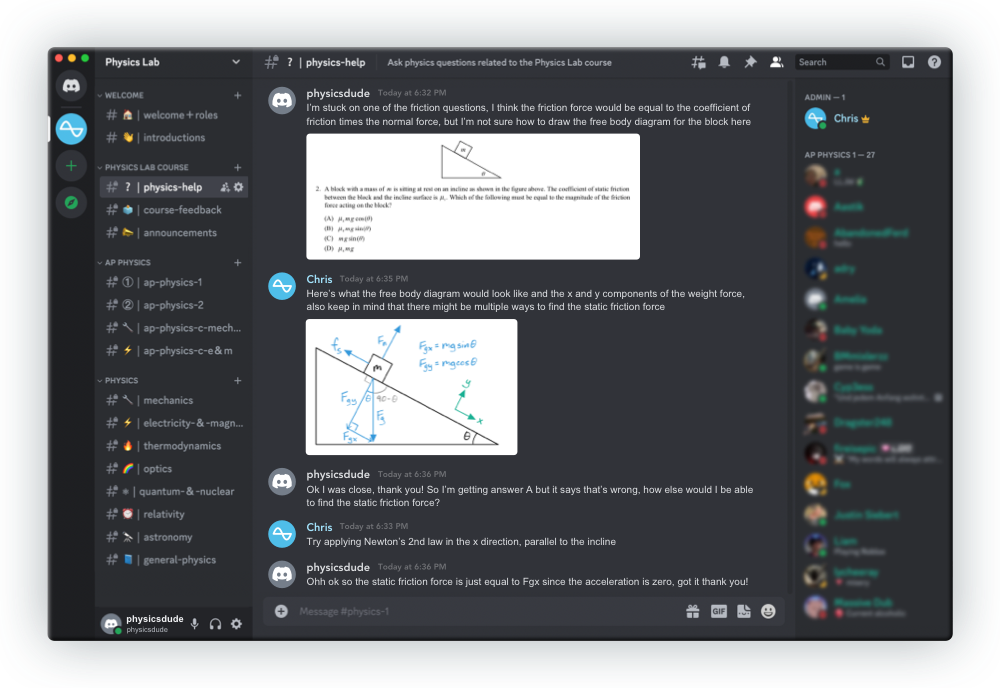
Ask questions, chat and get help from the course instructor and other students.
A lot of people have a hard time with physics.
There is a lot to cover and topics build on each other
Physics is a huge subject and physics classes cover a lot of material where every detail matters. Many topics are connected and units often build on previous ones. It’s easy to miss a few things here and there, and students often develop gaps and fall behind.
Physics requires a different way of thinking
Some of the skills and the ways you answer questions in other classes might not work well in physics. Instead of memorizing facts or how to answer certain types of questions, the goal with physics is to learn the fundamental principles so that you can apply them to any scenario. Students often try to learn by doing a lot of practice problems, and while practice is important, it often means they haven’t developed a strong enough understanding of the concepts.
Your teacher might not be great at teaching physics
Teaching physics to a class of students in a limited amount of time is hard, and teachers try their best. But if you’re struggling with physics as a student, it’s usually not your fault. The problem is often the way physics is taught. Concepts and equations need to be explained clearly so that you understand them before moving on, and example problems should be explained step by step so that you can learn how to apply the concepts.
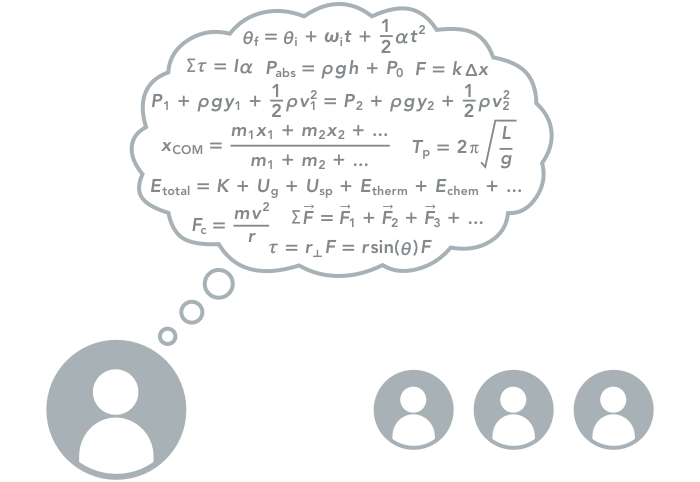
When you already understand a subject, it’s easy to fall into the habit of just describing things the way that you see them, instead of teaching someone how to get there.

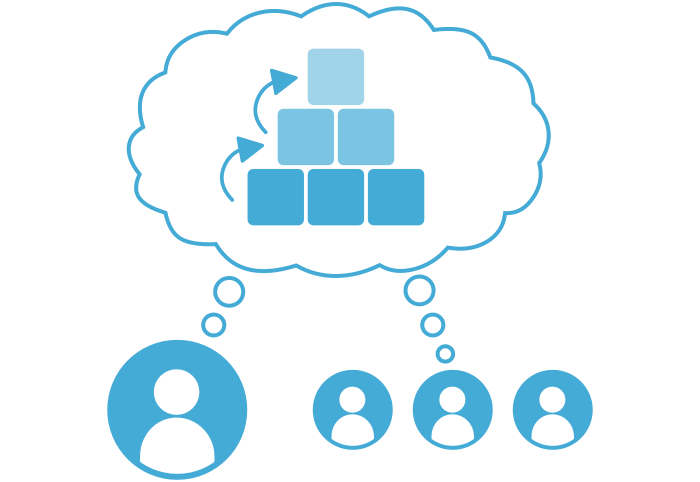
Students are starting with a blank canvas. If you can take the students’ point of view and always keep in mind what they know and don’t know, you can help them build a picture of physics.
When you already understand a subject, it’s easy to fall into the habit of just describing things the way that you see them, instead of teaching someone how to get there.
Students are starting with a blank canvas. If you can take the students’ point of view and always keep in mind what they know and don’t know, you can help them build a picture of physics.
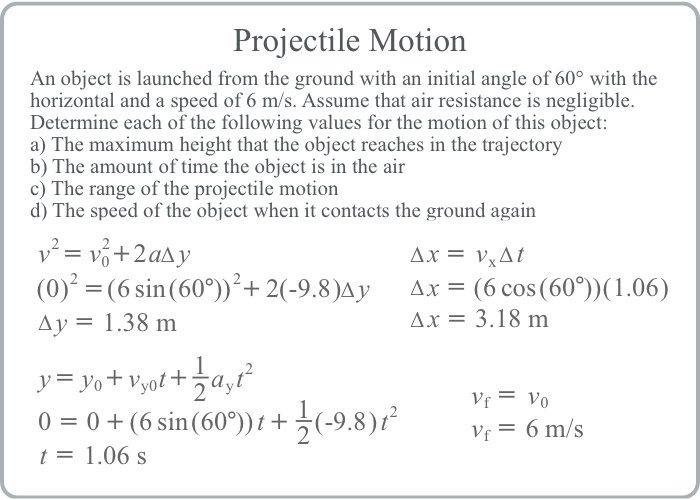
Physics is hard enough as it is, and boring slides with a lot of text don’t help. Students often disengage the minute they get lost or confused, so there isn’t much room for error when it comes to explaining things clearly.

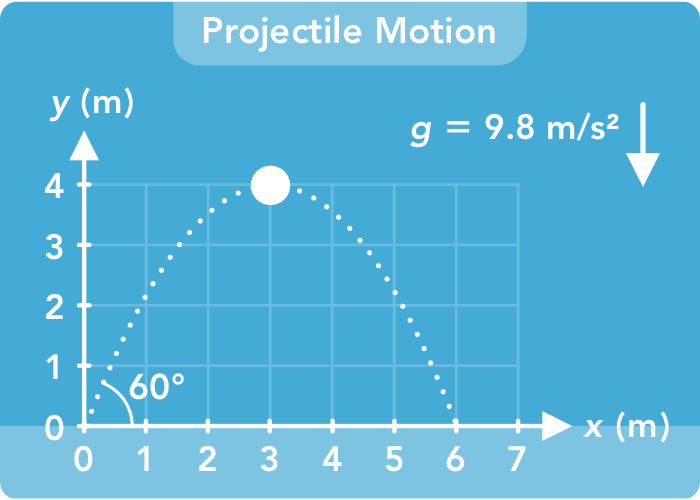
If you want to teach a lot of material in a short amount of time, you have to be efficient and explain things clearly the first time. Visuals convey a lot and help students develop a stronger intuition for each concept.
Physics is hard enough as it is, and boring slides with a lot of text don’t help. Students often disengage the minute they get lost or confused, so there isn’t much room for error when it comes to explaining things clearly.
If you want to teach a lot of material in a short amount of time, you have to be efficient and explain things clearly the first time. Visuals convey a lot and help students develop a stronger intuition for each concept.
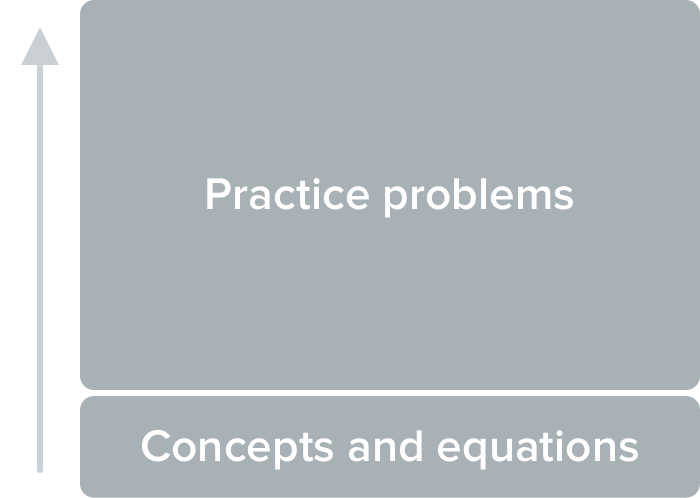
If students don’t have a strong understanding of the concepts and equations, they often try to learn by doing a lot of practice problems and memorizing every scenario. This isn’t very effective and students often get frustrated.

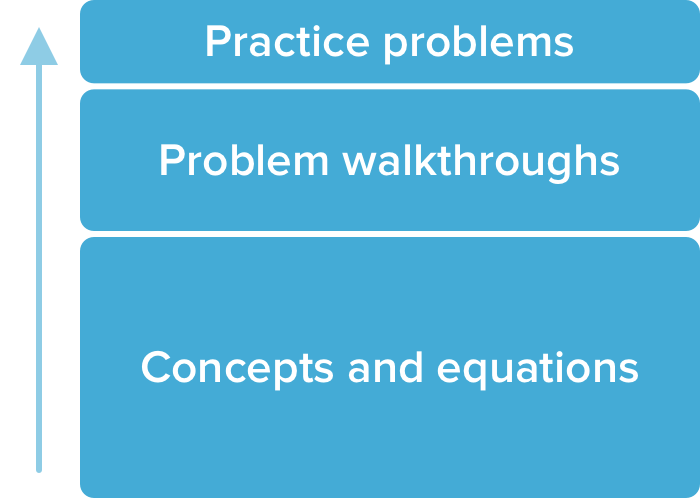
Physics is about learning the fundamental concepts so that you can apply them to any scenario. So it’s important to make sure students have a strong intuition for the concepts and then show them how to solve problems.
If students don’t have a strong understanding of the concepts and equations, they often try to learn by doing a lot of practice problems and memorizing every scenario. This isn’t very effective and students often get frustrated.
Physics is about learning the fundamental concepts so that you can apply them to any scenario. So it’s important to make sure students have a strong intuition for the concepts and then show them how to solve problems.
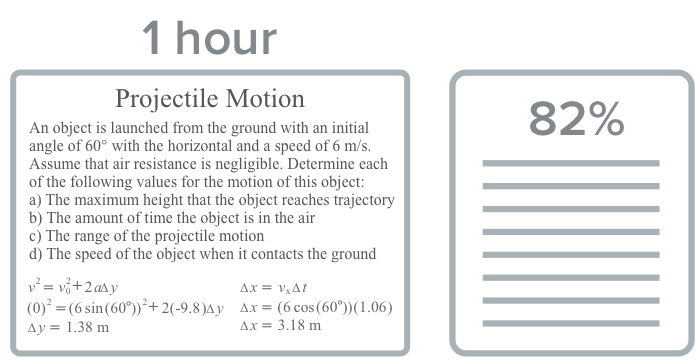
Students usually have a fixed amount of time to learn a topic and then they have to move on, regardless of how well they understand the material. Since physics topics build on each other, students often develop gaps and they can fall behind throughout the year.

If you give students the right resources, they can learn each topic at their own pace until they master it. Then they can move on to the next topic without any gaps. Videos are great for mastery learning since students can pause and rewatch as much as they want until things click.
Students usually have a fixed amount of time to learn a topic and then they have to move on, regardless of how well they understand the material. Since physics topics build on each other, students often develop gaps and they can fall behind throughout the year.
If you give students the right resources, they can learn each topic at their own pace until they master it. Then they can move on to the next topic without any gaps. Videos are great for mastery learning since students can pause and rewatch as much as they want until things click.

Many physics classes, online courses and YouTube videos are one-way and static. They’re created and then they’re never updated. But what are the chances you created the best possible lesson materials on the first try?


If we want every student to be able to master physics, the bar for lesson materials should be pretty high. The only way to achieve that is to continuously improve the material based on questions and feedback from students.
Many physics classes, online courses and YouTube videos are one-way and static. They’re created and then they’re never updated. But what are the chances you created the best possible lesson materials on the first try?
If we want every student to be able to master physics, the bar for lesson materials should be pretty high. The only way to achieve that is to continuously improve the material based on questions and feedback from students.

Physics was my favorite class as a student. I loved being a tutor and working as a physics session leader at Penn State, helping 1st/2nd year students with their physics classes.
While working with other students, especially in non-STEM majors, I saw how boring and difficult physics can be for a lot of people. I also realized that many classes don’t teach physics very well, which causes a lot of students to think they're bad at physics.
I created Physics Lab to try to change that. There are a lot of resources for learning physics, but I think there are a few ways to make this even better: create videos and other content that is visually engaging and explains things in a clear way, and continuously iterate and improve the content based on questions and feedback from students and teachers so it gets better over time.
If you have any questions or feedback please email me any time at chris@physicslab.app.
- Chris